

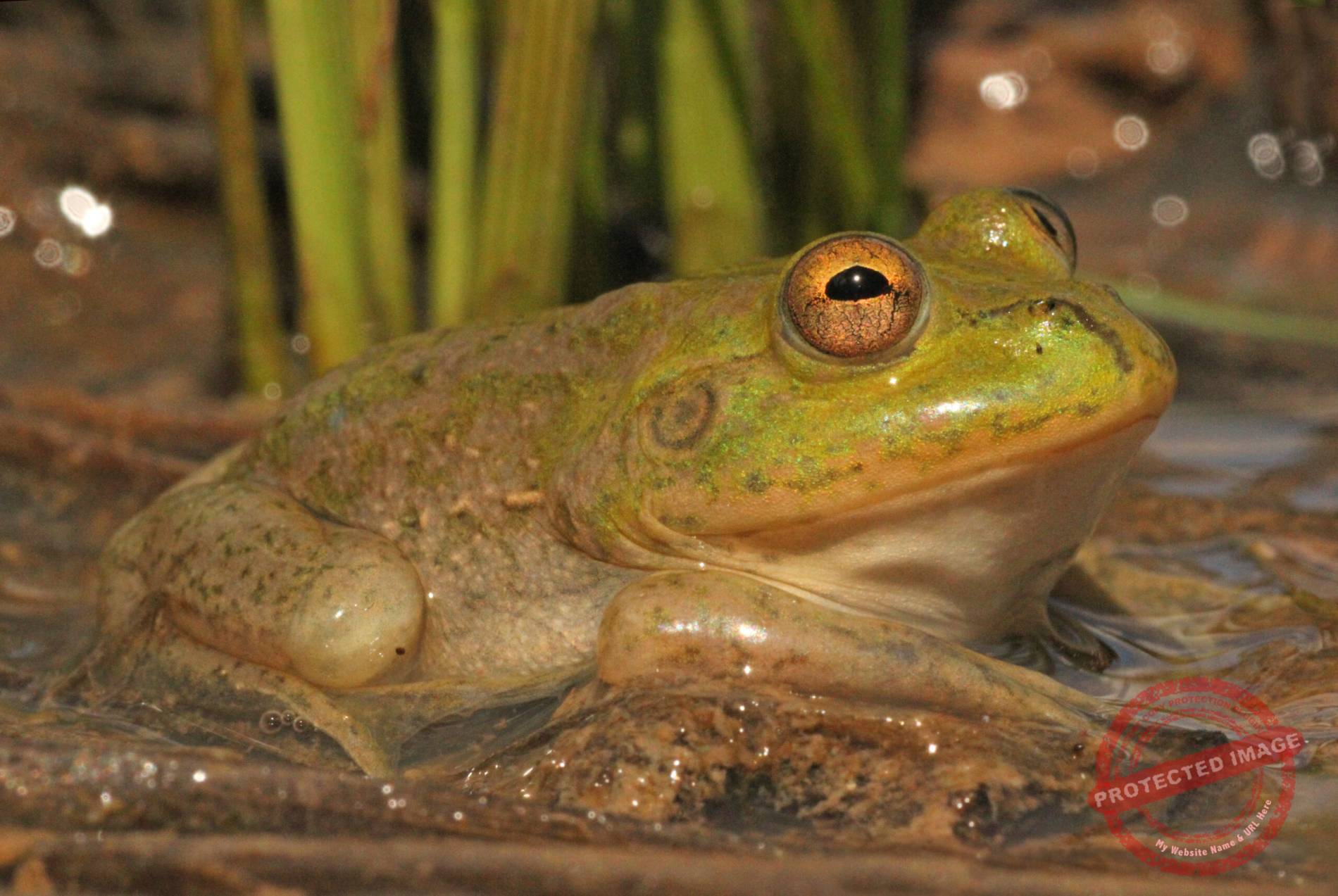
Beneath the cracked claypans and dusty floodplains of inland Australia, a remarkable amphibian lies dormant – waiting, sometimes for years, until the rains come. The Water Holding Frog is one of nature’s great survivalists, emerging from its underground refuge only after heavy rainfall transforms the dry landscape into a fleeting wetland. This species is a master of drought resistance and timing – a creature sculpted by aridity, able to survive where few frogs dare linger.
Identification
The Water Holding Frog is a robust, squat-bodied species, growing to around 7 to 10 centimetres in length. It has a flat, broad head with small, round eyes positioned high on the skull. The dorsal surface is smooth or finely granular, coloured pale grey, brown or olive, often with faint marbling or blotches to match the earthy soils in which it lives. The limbs are short and powerful, built for digging rather than jumping. Its belly is white and slightly granular. This species lacks the bright colours or striping of many tree frogs – instead, its muted tones serve as camouflage against the clay and dust of its ephemeral habitat.
Habitat and Distribution
The Water Holding Frog is found across arid and semi-arid regions of Queensland, New South Wales, South Australia, the Northern Territory and Western Australia. It prefers floodplains, claypans, grasslands and lightly vegetated open woodlands with deep, cracking clay soils. These soils provide the necessary substrate for burrowing and aestivation. The species spends most of its life underground, emerging only after significant rainfall triggers the formation of temporary pools and wetlands. Its presence is fleeting and opportunistic, dictated by unpredictable climatic events rather than seasonal routine.
Ecological Role
As both predator and prey, the Water Holding Frog plays a vital role in boom-and-bust desert ecosystems. It feeds on insects, spiders, small crustaceans and other invertebrates, many of which breed rapidly following rainfall. In turn, the frog’s sudden emergence provides a food source for snakes, birds and mammals that also take advantage of temporary abundance. Its burrowing behaviour aids in soil aeration and contributes to nutrient turnover. By laying eggs in shallow pools, it helps sustain aquatic food chains, even if only briefly.
Behaviour and Reproduction
This species is a textbook example of aestivation – surviving dry periods by retreating underground and forming a cocoon from layers of its own shed skin. This cocoon reduces moisture loss, allowing the frog to remain dormant for months or even years without access to water. When heavy rain falls, it breaks dormancy, emerging rapidly to feed, mate and reproduce before the temporary water sources evaporate.
Males call from the edges of temporary pools, producing a low, short, growling note to attract females. Breeding occurs in explosive bursts, with females laying hundreds to thousands of eggs in shallow water. The eggs hatch within days and tadpoles grow rapidly, often completing metamorphosis within two to three weeks – a necessary adaptation to the ephemeral nature of their aquatic environment. Once mature, juveniles disperse and seek suitable burrowing sites in preparation for the next dry phase.
Conservation Status
In Queensland, the Water Holding Frog is listed as Least Concern under the Nature Conservation Act 1992. It remains widespread and abundant across much of its arid and semi-arid range, although it is infrequently observed due to its secretive, opportunistic lifestyle.
Threats
The primary threats to this species include habitat loss through land clearing, overgrazing and soil compaction by livestock, which reduces burrowing opportunities. Changes to rainfall patterns and increased drought frequency due to climate change may also impact the frog’s ability to reproduce successfully. Invasive species such as feral pigs can disturb aestivating frogs and degrade breeding pools. The introduction of fish to ephemeral water bodies may increase predation pressure on eggs and tadpoles.
Conservation Efforts
The Water Holding Frog benefits from large-scale land management practices that retain natural floodplain systems and allow for episodic inundation. Maintaining ground cover and minimising soil disturbance in known habitats supports the species’ ability to aestivate and breed successfully. Public education about the species’ ecological importance and its remarkable adaptations contributes to broader support for arid-zone biodiversity. Long-term monitoring following major rainfall events can help track population trends and identify conservation needs in a changing climate.
Final Thoughts
The Water Holding Frog is a quiet miracle of the inland – an animal that disappears beneath the earth and waits for the sky to speak. Its life is shaped not by seasons but by storms, by silence and by sudden abundance. To protect it is to respect the rhythms of arid Australia – the deep pulses of water, dust and resilience that shape one of the world’s most unpredictable landscapes. In every brief chorus after rain and every buried form beneath the clay, it reminds us that even in waiting, there is life.
Fauna Resources specialises in the safe handling of a range of different fauna species, through safe, effective and ethical fauna solutions. By providing dedicated fauna services, through passionate fauna spotter catchers and fauna specialists, we can support the unique terrestrial ecosystems and rich biodiversity Australia has to offer.
For more information about our specialist fauna services contact Fauna Resources today.